BMW Engine Platform
BMW N20 Tuning Guide
The BMW N20 is the 2.0-litre turbocharged four-cylinder that powered the 328i, 228i and many other F-series models before the B48. This guide covers its calibration context, MEVD17 identification and the condition checks to complete before tuning.
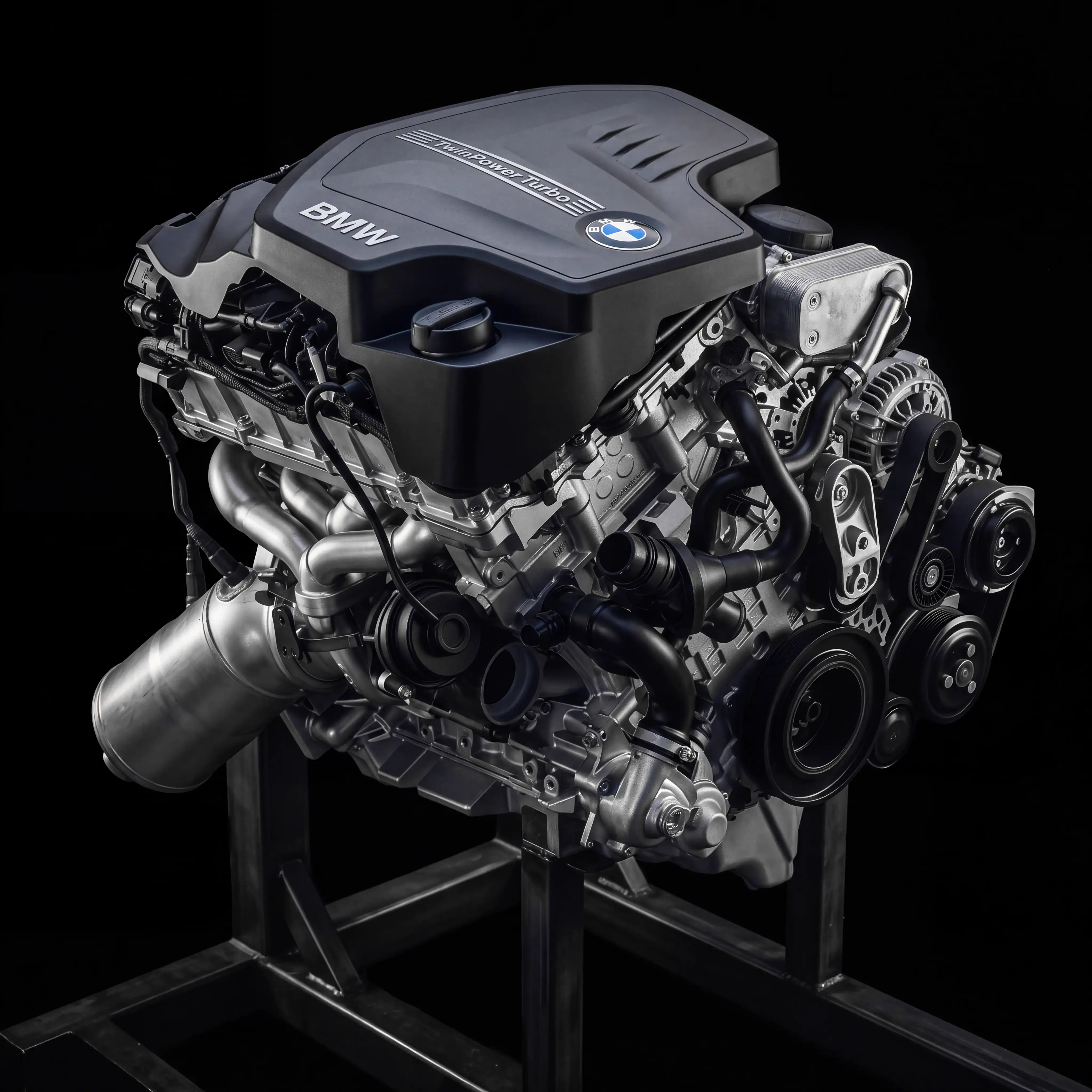
BMW N20 Engine Overview
Introduced in 2011, the N20 replaced the naturally aspirated six-cylinder engines in models such as the 328i, bringing a twin-scroll turbocharger, direct injection and Valvetronic to BMW’s four-cylinder range. It served in the F30 3 Series, F22 2 Series, F10 5 Series, E84 X1 and E89 Z4 until the B48 took over.
Most N20 cars are now a decade or more old, so condition matters as much as specification. Mileage, service intervals and previous repairs vary widely, and a calibration should be built around a car that is healthy rather than one that simply runs.
N20 applications use Bosch MEVD17-family DMEs, but software versions and hardware variants differ between models and model years. The fitted gearbox, whether ZF 8HP or manual, and the fuel used also shape the final file.
Configuration
2.0L Inline-Four
Introduced
2011
Turbo System
Single Twin-Scroll Turbo
Key Technology
Direct Injection and Valvetronic
Choose Your N20 Tuning Path
With an N20, condition usually decides the path before ambition does. Confirm the car is healthy and fuelled correctly, identify the exact DME, and only then decide between a Stage 1 file and hardware-supported work.
Popular BMW N20 Models
The N20 was fitted to saloons, coupés, roadsters and SUVs, each with its own cooling arrangement, gearbox choice and software. The model page explains what is specific to that installation.
BMW 125i F20
F20 / F21 · c. 2012–2015BMW 220i F22
F22 / F23 · c. 2014–2016BMW 320i F30
F30 / F31 / F34 · c. 2012–2016BMW X5 xDrive40e F15
F15 · c. 2015–2018BMW 428i F32
F32 / F33 / F36 · c. 2013–2016BMW 528i F10
F10 / F11 · c. 2011–2016BMW Z4 sDrive28i E89
E89 · c. 2011–2016BMW X3 xDrive28i F25
F25 · c. 2011–2017ECU and Transmission Context
MEVD17 is a family rather than a single unit. Identifying the exact variant and software version tells us how the DME can be read, which calibration base matches the car and how the gearbox will respond.
What to Check Before Tuning a BMW N20
Start with the service record and condition of an N20. Spark plugs, ignition coils, fuel delivery and the intake and boost pipework should be in good order, as small leaks or misfires that go unnoticed on a standard car become more obvious under a calibration.
The cooling system should hold temperature reliably, and any timing-chain noise or warning messages should be investigated before tuning. We also need the exact MEVD17 variant and details of any parts already fitted, so the file can be matched to the hardware actually on the car.
BMW N20 Dyno Projects
View All Dyno ProjectsBMW N20 File Service
Need a Custom BMW Calibration?
Prepare the original ECU file, vehicle details, fuel and hardware setup before opening a file request.
Open File Service PortalOriginal ECU File
Read via OBD, Bench or Boot
Vehicle Details
Model, year and specification
Fuel Information
Fuel type and octane rating
ECU Identification
Hardware and software version