BMW Engine Platform
BMW N54 Tuning Guide
The BMW N54 was BMW’s first twin-turbo, direct-injection petrol inline-six, found in the 135i, 335i, 1M Coupé and Z4 35i. This guide explains its calibration context, MSD80 and MSD81 identification, and the checks that matter on an older performance engine.
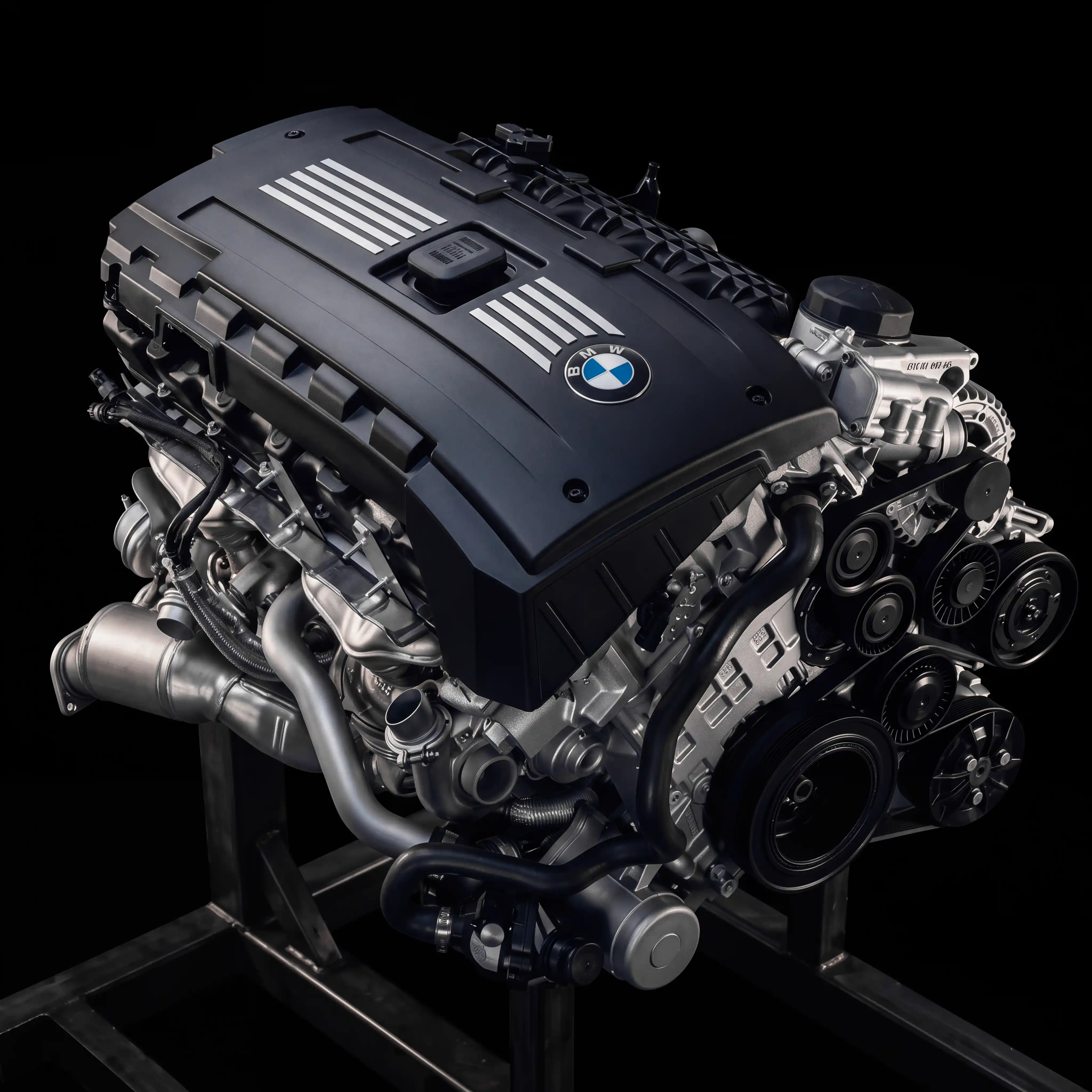
BMW N54 Engine Overview
The N54 launched in 2006 and combined two small turbochargers with high-precision direct injection, a first for a BMW production petrol six. It powered E-series models including the 135i, 335i, 535i, Z4 sDrive35i and the 1M Coupé before the N55 gradually replaced it.
Many N54 cars have now covered high mileages and may have had injectors, turbochargers, wastegates or pumps replaced. That repair history matters, because the calibration needs to match how the engine is configured today. Aftermarket intercoolers, charge pipes and downpipes are also common on these cars.
Engine management comes from Siemens MSD80 or MSD81 DMEs, and the two are not interchangeable from a software perspective. The gearbox, whether ZF six-speed automatic, M DCT on the 335is or manual, and the fuel used complete the picture.
Configuration
3.0L Inline-Six
Introduced
2006
Turbo System
Two Mono-Scroll Turbochargers
Key Technology
Piezo Direct Injection
Choose Your N54 Tuning Path
On an N54, the safest path depends on how healthy the fuel and boost systems are, which DME is fitted and what has already been changed. Reviewing reliability and identification first prevents a file being built around a hidden fault.
N54 Stage 1
A focused calibration for a healthy N54 on standard hardware with quality fuel and confirmed DME identification.
N54 Stage 2 & Hardware
Downpipe, intercooler, fuel system and charge pipe considerations for higher-output N54 builds.
N54 Reliability Checks
Injector health, wastegate rattle, boost leaks, cooling and ignition system assessment.
N54 ECU & Transmission Context
MSD80 vs MSD81 identification, read methods and gearbox-specific calibration context.
Popular BMW N54 Models
The N54 appears in coupés, saloons, convertibles and the Z4 roadster. Gearboxes, cooling setups and DME versions vary between them, so the model page clarifies which details apply to each car.
BMW 135i E82
E82 / E88 · c. 2007–2010BMW 1M E82
E82 · c. 2011–2012BMW 335i E90
E90 / E91 / E92 / E93 · c. 2006–2010BMW 335is E92
E92 / E93 · c. 2010–2013BMW 535i E60
E60 / E61 · c. 2007–2010BMW 740i F01
F01 / F02 · c. 2008–2012BMW Z4 sDrive35i E89
E89 · c. 2009–2016BMW X6 xDrive35i E71
E71 · c. 2008–2010ECU and Transmission Context
Identifying whether the car uses an MSD80 or MSD81, and which software it runs, comes before anything else. That decides the read method and calibration base, while the gearbox type affects how torque is handled.
What to Check Before Tuning a BMW N54
An N54 should be checked for misfires and worn ignition parts, injector condition and stable fuel pressure from both the high- and low-pressure pumps. Boost and vacuum leaks are a frequent cause of poor running, so the charge pipes, diverter valves and vacuum lines deserve a careful look.
Turbocharger and wastegate condition matters, since a rattling or sticking wastegate makes boost control unpredictable. The cooling system should hold temperature reliably, and we need to know whether the car uses an MSD80 or MSD81 DME, along with any hardware already fitted, before preparing a file.
Datalogs from the car in its current state help confirm fuel pressure and boost behaviour before the calibration is written.
N54 Reliability GuideBMW N54 Dyno Projects
View All Dyno ProjectsBMW N54 File Service
Need a Custom BMW Calibration?
Prepare the original ECU file, vehicle details, fuel and hardware setup before opening a file request.
Open File Service PortalOriginal ECU File
Read via OBD, Bench or Boot
Vehicle Details
Model, year and specification
Fuel Information
Fuel type and octane rating
ECU Identification
Hardware and software version